

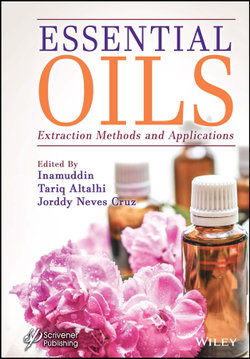


Essential oils have been used by global communities for centuries, for different purposes such as medicinal, flavoring, preservatives, perfumery, aromatherapy, dentistry, cosmetics, insecticide, fungicide, bactericide, among others. Essential oils are natural and biodegradable substances, usually non-toxic or with low toxicity to humans. Essential oils are the botanical product having volatile nature and known for their special odor and are found effective in treatment of oxidative stress, cancer, epilepsy, skin allergies, indigestion, headache, insomnia, muscular pain and respiratory problems, etc. Essential oils principally enhance resistance to abiotic stress and protection against aquatic herbivores. They possess antimicrobial, antifungal, antitumor, and antioxidant activities.
Essential oils, however, are easily lost or degraded under ambient conditions, such as temperature, air, light, and humidity, resulting in limited applications. So, their encapsulation is one of the proven techniques to protect essential oils and enable various applications. The purpose of this book is to offer current knowledge on essential oils' chemical structure, therapeutic, and biological activities, to describe their functional uses, and to assess the benefits and drawbacks of their usage in many fields.
Topics are presented in clear and concise language with enough depth to enhance comprehension. The reader will walk away with a new understanding of the topics covered in the book, thereby enabling them to optimize their own applications for essential oils.



Share This Book: